Cordless vacuums have shifted from luxury gadget to practical necessity in most homes. The appeal is straightforward: grab the machine, clean without untangling cords, and stash it away. Black and Decker, a name synonymous with reliable tools for nearly a century, has built a solid lineup of cordless vacuums aimed squarely at homeowners who want performance without the fuss. Whether you’re dealing with scattered crumbs, pet hair, or dust on hardwood, there’s likely a Black and Decker cordless vacuum that fits your space and budget. This guide walks through the current models, key features to evaluate, and practical tips to keep your machine running strong.
Table of Contents
ToggleKey Takeaways
- Black and Decker cordless vacuums deliver 20–45 minutes of runtime with lightweight designs (5–9 pounds), making them ideal for quick cleanups, pet hair removal, and maintenance between deep cleans.
- Battery life depends on surface type and power setting, so choose a model with 30+ minutes of runtime if you have a large home or multiple pets, and consider dual batteries for frequent cleaning sessions.
- Regular maintenance—emptying the dustbin, checking filters monthly, and removing tangled hair from the brush roll weekly—is essential to keep suction strong and extend motor life on your cordless vacuum.
- Multi-surface Black and Decker models with toggle-able brush rolls and pet attachments are worth the extra cost for homes with mixed flooring and animals, offering better performance than single-surface stick models.
- Suction loss is typically caused by filter or brush-roll issues rather than motor failure, so troubleshoot these components and check for air leaks in connections before assuming your cordless vacuum needs repair.
- Store your Black and Decker cordless vacuum with the charger mounted at waist level and attachments in a nearby bin to keep the machine accessible and ready for daily use.
Why Cordless Vacuums Are Changing Home Cleaning
Cordless vacuums won’t replace your full-size upright for serious deep cleaning, but they’ve earned their place in the cleaning arsenal. The immediate advantage is speed, no cord tangles, no hunting for outlets, no lugging a 20-pound machine between rooms. You can clean the kitchen after breakfast, the living room after lunch, and the stairs before dinner without setup friction.
From a practical standpoint, cordless models are lighter and more maneuverable than corded uprights. Most weigh 5–8 pounds, making them easier to handle for stairs, high shelves, and above-floor surfaces. Battery technology has also matured significantly. Lithium-ion packs now deliver 20–45 minutes of runtime depending on the model and power setting, which covers most single-room cleaning sessions and moderate multi-room work.
The trade-off is clear: less suction power than a corded upright, and you’re bound by battery life. Black and Decker cordless vacuums are built for spot cleaning, maintenance between deep cleans, and homes where cord management is a real headache. They’re also excellent backup machines when your primary vacuum is in the shop or when a quick cleanup beats dragging out the big gun.
Black and Decker Cordless Vacuum Models: Finding Your Best Match
Lightweight Stick Models for Quick Cleanups
Black and Decker’s stick vacuums are the bread and butter of their cordless range. Models like the Powerseries Extreme and Powerseries Pro deliver handheld convenience with multiple power modes. The key difference between entry-level and premium stick models is motor power, battery capacity, and attachment variety.
Stick models typically weigh 5–7 pounds and feature a folding or removable handle, so they double as handheld units. You’re looking at runtime between 20–40 minutes on standard mode, with an eco mode stretching that to 60+ minutes at reduced suction. Most owners find this sufficient for daily tidying, crumbs, pet fur scattered across a room, or dust on hard floors. Real-world testing shows these models work well on low-pile carpet and sealed hard floors but struggle with deep pile or heavily matted pet hair.
When comparing stick models, pay attention to dustbin capacity (measured in quarts) and whether the model offers edge-cleaning bristles. A 0.5-quart dustbin fills faster than a 1-quart, so frequent emptying becomes a chore in pet homes. Edge bristles are worth the extra cost if you have tile, vinyl, or wood floors, they guide debris toward the main suction path instead of leaving a line of dust along the baseboards.
Multi-Surface and Pet-Friendly Options
If you own a dog or cat, Black and Decker’s pet-specific models add dedicated tools and motors tuned for hair removal. The Pet Series includes motorized pet hair brush heads and extended runtime options. These models cost $50–100 more than comparable non-pet versions but come with the extra attachments out of the box.
Multi-surface capability means the vacuum can transition cleanly from carpet to hard flooring without manual adjustment, the brush roll lifts or bristles retract. Look for models with a dedicated hard-floor mode or brush roll that you can toggle off. Without this, carpeted rooms will use more battery power to spin the brush against hard floors, and you’ll hear a louder mechanical hum.
For homes with a mix of surfaces and one or more pets, the mid-range Black and Decker cordless vacuums with pet attachments are a smart choice. They’re heavier than stick-only models (often 7–9 pounds) but still manageable for most adults, and the battery tech keeps pace with their higher power draw. Real-world owners report good performance on pet hair removal over 30–40 minutes of mixed-surface cleaning at standard power.
Key Features to Consider Before Buying
Battery Life and Charging Time
Battery performance is the heartbeat of any cordless vacuum. Black and Decker uses lithium-ion batteries across their current lineup, these hold a charge better over time than older nickel-cadmium packs and don’t suffer from the “memory effect” of older battery tech. Runtime varies significantly by model and power setting.
Entry-level models typically deliver 20–25 minutes at full power, which covers about one room. Mid-range models push 30–40 minutes, and premium units hit 45+ minutes. But, actual runtime depends on surface type and suction setting. Pet hair and thick carpet drain batteries faster than hard floors and eco mode.
Charging time matters if you need the vacuum for multiple sessions. A typical 2–3 hour full charge is standard. Some models offer dual batteries, so you can charge one while using the other, a practical solution if you have a large home or frequent cleaning sessions.
Before buying, think about your actual usage pattern. If you’re cleaning a 1,500-square-foot apartment, 30 minutes is enough. If you have a 4,000-square-foot house with pets, dual batteries or a heavier charging schedule becomes necessary. Check the product specifications for power mode runtime, not just “up to” claims in marketing materials, the “up to” figure usually reflects eco mode on hard floors, not the real-world scenario you’ll face.
Performance and Maintenance Tips for Homeowners
Black and Decker cordless vacuums perform best when you treat them like tools, not magic wands. Regular maintenance extends motor life and keeps suction strong. After each use, empty the dustbin, don’t wait until it’s full. A half-full dustbin restricts airflow and reduces suction, making the motor work harder and draining the battery faster.
Check the filter monthly. Most models have a foam or pleated filter that collects fine dust before air exits the motor. Tap out loose dust over a trash can, and rinse under cool water if the filter looks clogged. A washable filter (offered on many models) lasts years with proper care: a disposable filter needs replacement every few months depending on use. Let filters dry completely before reinstalling, damp filters invite mold and reduce airflow.
Inspect the brush roll or motorized head for tangled hair and lint. You’ll see it wrapping around the bristles or axle. Use scissors or a seam ripper to carefully cut and pull out wrapped fibers weekly if you have pets. This is the single biggest cause of performance loss between maintenance sessions.
Battery care matters. Black and Decker batteries perform best when charged in a cool environment away from direct heat or sunlight. If you won’t use the vacuum for a month, charge the battery to about 50% and store it in a cool closet. Running the battery completely dry before charging isn’t necessary with lithium-ion (unlike older battery types), but do avoid the habit, charge when the vacuum stops performing at full power.
Suction loss is usually a filter or brush-roll issue, not a motor failure. Before assuming the motor is dying, check both. Seal leaks in the dustbin or head, a cracked connection allows air to bypass the filter, gutting suction. Most Black and Decker models use user-serviceable parts, so replacement filters and brush rolls are inexpensive and available online or at retailers.
For serious deep cleaning or large homes, tests from garage vacuum specialists often recommend keeping a corded upright as your primary and using the cordless for maintenance. This balanced approach stretches battery life and keeps your primary machine from wearing out prematurely. Good Housekeeping’s home appliance reviews also emphasize that cordless models excel as secondary cleaners in multi-machine households.
If you notice reduced performance after a month or two even though good maintenance, try a reset: fully discharge the battery, charge it completely, and run a full-power cycle on a clean floor. Sometimes the battery management system recalibrates and restores performance. If that doesn’t work, contact Black and Decker support, their warranties typically cover defective motors and batteries.
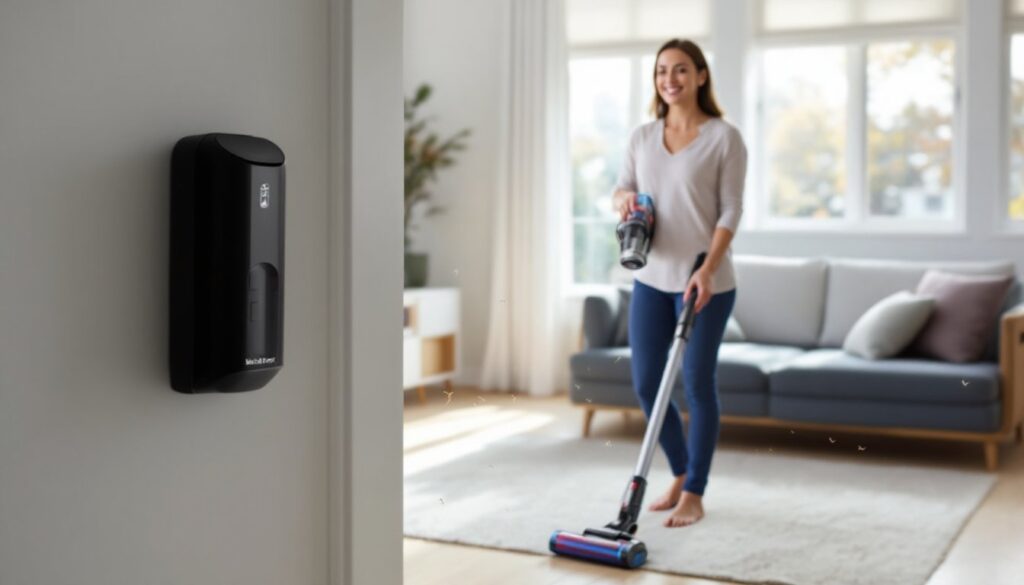
For organizing your cleaning tools and supplies around your new cordless vacuum, Real Simple’s home organization guides offer practical strategies to ensure your machine and attachments stay accessible and ready to use. Cordless vacuums work best when they’re easy to grab, mount the charger at waist level in a closet or garage, and store attachments in a small bin right next to the machine.