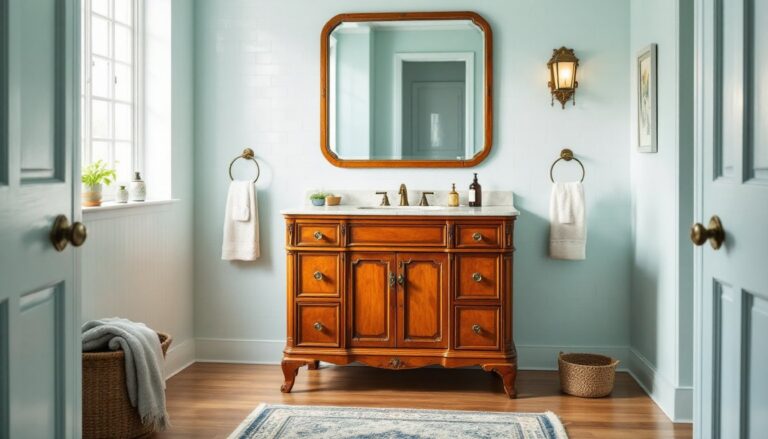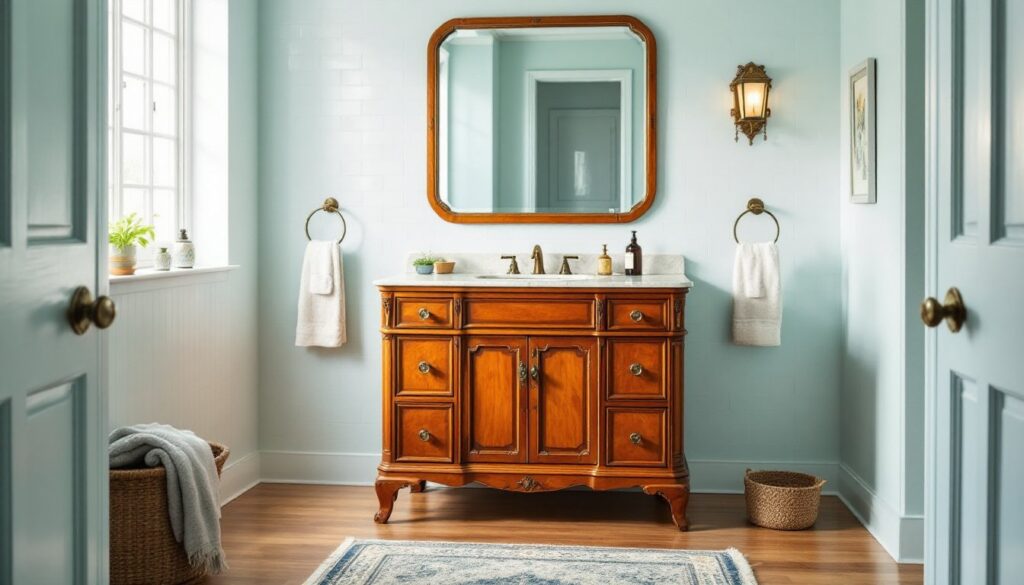
A vintage bathroom vanity doesn’t just serve a practical purpose, it becomes the focal point of your entire bathroom, anchoring the room’s character and design direction. Whether you’re drawn to the ornate details of Victorian-era pieces, the clean lines of mid-century modern, or the quirky charm of retro designs, a vintage vanity brings authenticity and personality that new mass-produced options simply can’t match. The good news is that sourcing, restoring, and installing a vintage bathroom vanity is entirely within reach for a dedicated DIYer, and the payoff in style and substance makes the effort worthwhile.
Table of Contents
ToggleKey Takeaways
- A genuine vintage bathroom vanity dates from the early 1900s through 1980s and features solid wood construction, brass hardware, and integrated ceramic sinks that distinguish it from modern reproductions.
- Popular vintage styles—Victorian, Art Deco, Mid-Century Modern, and Retro—each offer distinct design characteristics; mid-century pieces integrate more seamlessly into contemporary bathrooms while retro designs work best as statement pieces.
- Before purchasing, measure your bathroom space carefully, assess plumbing alignment, and account for the vintage vanity’s substantial weight (150–300+ pounds), which requires proper wall stud anchoring and structural support.
- Source vintage bathroom vanities through antique shops, salvage yards, online marketplaces, and estate sales, but always inspect for water damage, loose joints, and missing hardware before committing to a purchase.
- Restoration requires 20–40 hours of careful work including cleaning, sanding, hardware replacement, and finish refinishing; professional help from plumbers or specialists is worthwhile for complex plumbing integration or structural damage.
- Maintain the vintage vanity’s character and era authenticity by choosing period-appropriate hardware, stains, and finishes, while modern drop-in sinks and waterproof sealants ensure functionality and code compliance in your bathroom.
What Makes a Bathroom Vanity Vintage
A true vintage bathroom vanity typically dates from the early 1900s through the 1980s, distinguishing it from reproductions made to look old. The term “vintage” refers to items that are at least 20–30 years old, though bathroom vanities from the 1950s through 1970s are especially sought after by DIYers and designers today.
What separates a genuine vintage vanity from newer pieces is craftsmanship and materials. Older vanities often feature solid wood construction, walnut, oak, mahogany, or pine, with dovetail drawer joints and hand-applied finishes. The hardware is typically brass or bronze, not chrome-plated plastic. Sinks were often integrated ceramic or porcelain basins, sometimes with cast-iron underpinnings, which are heavier and more durable than modern thin-walled bowls.
Another hallmark of vintage vanities is oversized proportions. Unlike today’s sleek, minimalist bathroom fixtures, older vanities tend to have substantial depth and width, with mirror frames that command attention. This scale works beautifully in bathrooms with higher ceilings or larger floor plans, though it can feel overwhelming in compact modern bathrooms without thoughtful design choices.
Popular Vintage Styles and Eras
Understanding which era appeals to your aesthetic helps narrow down your search and informs restoration decisions.
Victorian and Art Deco Influences
Victorian-era vanities (roughly 1880–1910) feature ornate carved details, beveled mirrors, and marble or ceramic tops. These pieces often have spindly legs, brass or porcelain knobs, and a heavy, formal presence. Art Deco vanities (1920s–1930s) strip away some of the ornamentation but retain geometric patterns, exotic veneers like walnut or burl, and a glamorous sensibility. Both styles work well in larger bathrooms and can anchor a high-end, eclectic design scheme. But, both eras demand respect during restoration, ornate carved elements are labor-intensive to refinish, and replacing missing veneer requires skill.
Art Deco pieces, in particular, are increasingly popular among designers remaking vintage cabinets into bathroom vanities, as demonstrated in design inspiration showcases that highlight transformations of antique commodes and dressers into functional vanities.
Mid-Century Modern and Retro Designs
Mid-century modern vanities (1945–1965) emphasize clean lines, tapered legs, and understated elegance. Materials include teak, walnut, and laminate tops. These vanities are highly functional and often easier to restore than ornate predecessors because there’s less detailed carving and ornamentation. Retro designs from the 1970s–1980s bring bold colors, chrome accents, and sometimes plastic or formica surfaces. A 1970s vanity in harvest gold, avocado, or rust orange can feel kitschy or deliberately playful, depending on your design intent.
Mid-century pieces integrate more seamlessly into contemporary bathrooms, while retro designs work best as statement pieces in eclectic or intentionally vintage-themed spaces.
Choosing the Right Vintage Vanity for Your Bathroom
Before you fall in love with a specific vanity, measure your bathroom carefully and assess its plumbing infrastructure. A stunning 1920s vanity won’t work if your drainage lines don’t align, or if the piece is 48 inches wide and your wall space is only 36 inches.
Consider the sink configuration. Vintage vanities often come with integrated bowls that may no longer meet modern plumbing codes or water pressure requirements. Some DIYers keep the original sink for aesthetics but run functional modern plumbing behind the scenes. Others replace the top entirely with a new marble or quartz surface and modern faucet, a practical choice that maintains the vanity’s character while ensuring reliability.
Weight is another practical concern. Vintage vanities, especially those with marble tops and solid wood construction, can weigh 150–300 pounds or more. You’ll need adequate floor support and may require help during delivery, installation, and securing it to wall studs. Never rely on the plumbing connections alone to hold a heavy vanity in place.
Finally, think about your bathroom’s overall aesthetic. A heavily carved Victorian vanity demands a cohesive design around it, period mirrors, vintage lighting, and coordinated tile or wallpaper. A streamlined mid-century vanity is more forgiving and pairs well with both minimalist and eclectic schemes. Mismatched eras often clash rather than complement, so aim for intentionality rather than accident.
Where to Find and Source Vintage Vanities
Your sourcing strategy depends on budget, timeline, and how particular you are about condition and style.
Antique shops and local vintage dealers offer curated selections and expert knowledge. Staff can often speak to era, wood type, and any repairs or refinishing already done. Prices tend to be higher, but you’re paying for vetting and provenance.
Online marketplaces like eBay, Craigslist, and Facebook Marketplace have massive inventory but require due diligence. Ask detailed questions about dimensions, condition, original hardware, and whether the sink is functional. Request multiple photos from different angles. Shipping costs can be steep for a large, heavy vanity: local pickup saves significantly.
Architectural salvage yards specialize in reclaimed building materials, including vintage bathroom fixtures. These dealers often have multiple vanities in stock and can advise on restoration. Many salvage yards also offer local delivery or installation services.
Estate sales and auctions occasionally feature quality vintage bathroom furniture, though you’re competing with dealers and collectors. Attend preview hours to inspect before bidding, and factor in buyer’s premium fees.
Remodelista and similar design-focused platforms showcase curated vintage and contemporary pieces, offering inspiration for styling your find even if you source elsewhere. Country Living frequently features farmhouse and rustic bathroom projects that highlight vintage vanity styling in practical renovations.
Whatever your source, inspect for water damage, rot, loose joints, and missing original hardware. A vanity that looks cosmetically tired but has solid bones is worth restoring: one with structural issues may cost more to repair than it’s worth.
DIY Restoration and Refinishing Tips
Restoring a vintage vanity is rewarding but labor-intensive. Plan for 20–40 hours of work depending on condition and detail level.
Cleaning and Assessment: Start by removing dust and grime with a soft cloth and mild soap. Once clean, inspect for loose joints, missing veneer, hardware damage, and finish deterioration. Tighten any loose elements with clamps and wood glue. Let glue cure fully, 24 hours minimum, before proceeding.
Stripping and Sanding: If the finish is chipped, flaking, or uneven, you’ll need to strip it. Use chemical stripper (follow label instructions and wear chemical-resistant gloves and eye protection) or sanding. Hand-sanding with 80-grit, then 120-grit, then 220-grit sandpaper takes patience but preserves carved details better than orbital sanders. If using a power sander, test on hidden areas first. Dust is a serious health hazard, wear a respirator mask rated for fine wood dust and work in a ventilated space.
Hardware Replacement: Original brass handles may be corroded or broken. Source period-appropriate replacements from salvage yards or reproduction hardware suppliers. Removing old hardware often requires patience: soak corroded fasteners in penetrating oil overnight before attempting removal.
Finishing: Choose a finish that matches the original era. Victorian and Art Deco vanities typically wear stain plus polyurethane or shellac. Mid-century pieces often have a natural oil or matte lacquer finish. Test stain on inconspicuous wood pieces first, as color varies by wood species and existing stain absorption. Apply finish in thin, even coats with adequate drying time between coats. Polyurethane is durable and moisture-resistant, critical in a bathroom.
Sink and Plumbing Integration: This is where many DIYers need professional help. If your original basin is cracked or non-functional, replace it with a modern drop-in sink that mimics the vanity’s aesthetic. You may need a plumber to reroute supply and drain lines, especially if the new sink’s configuration differs from the original. Building codes typically require P-traps visible or enclosed properly, and shut-off valves accessible, don’t hide these for aesthetics.
Final Touches: Install the vanity firmly to wall studs using appropriate fasteners for the vanity’s weight. Seal the top surface around the sink with waterproof caulk or a vanity sealant. Add a mirror, original if available, or a reproduction that suits the era.
If you encounter structural rot, extensive veneering damage, or plumbing work beyond your confidence level, consulting a restoration specialist or plumber is the smart call, not a failure.