If you’ve got a water softener at home, you’ve probably heard the term “bypass valve” but might not know why it matters. A water softener bypass valve is a small but critical component that protects your system and your plumbing from unnecessary wear and damage. Whether you’re dealing with maintenance, repairs, or thinking about installing a water softener for the first time, understanding how to bypass your water softener, and when you should, can save you hundreds in repairs and headaches. Let’s walk through what this valve does, why it’s essential, and how to keep yours in working order.
Table of Contents
ToggleKey Takeaways
- A water softener bypass valve is a three-way diverter that allows water to skip the softening system entirely, serving as essential safety equipment for maintenance and emergencies.
- The bypass valve prevents water from sitting stagnant in the resin tank during shutdowns, protects against bacterial growth, and isolates your softener without cutting off your home’s entire water supply.
- Common signs of bypass valve failure include handles that won’t turn smoothly, water leaks from the valve assembly, inconsistent water pressure, and rotten egg odors indicating internal seal failure.
- Replacing a water softener bypass valve is a manageable 30–45 minute DIY job requiring basic tools like an adjustable wrench, Teflon tape, and the correct valve model for your system.
- Monthly operation of your bypass valve handle prevents internal seizing, and inspecting for leaks every few months will catch wear early and extend your softener’s lifespan.
What Is A Water Softener Bypass Valve?
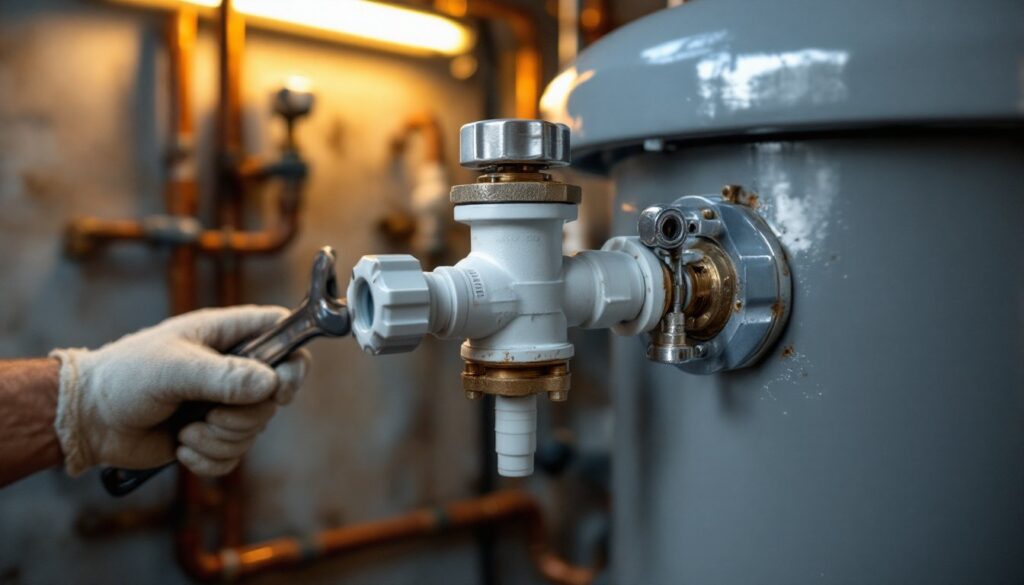
A water softener bypass valve is a three-way diverter valve that allows you to route water around your softening system entirely. Think of it as a plumbing detour: instead of water flowing through the resin tank and into your home, the bypass valve lets water skip the softener altogether and head straight to your taps.
The valve sits at the inlet or outlet of your water softener tank. In normal operation, water flows through the softener. But when you need to bypass the system, whether for maintenance, an emergency, or testing purposes, you simply turn or flip the valve handle, and hard water travels directly to your plumbing without being treated. It’s one of those unglamorous but vital components that separates a well-designed softener installation from a risky one.
How A Bypass Valve Works In Your System
Most bypass valves operate on a simple mechanical principle. The valve has three ports: one from the incoming water supply, one going to your softener’s resin tank, and one exiting to your home’s plumbing. Inside, a diverter mechanism (usually a slide or rotor) directs water to one path or the other.
When the valve is in the “normal” position, water enters the inlet port, flows through the softener, and exits toward your home. When you activate the bypass function, typically by rotating a handle 90 degrees, the diverter blocks the path to the softener and opens a direct route from inlet to outlet. No water enters the tank, no regeneration cycle is triggered, and your plumbing receives unsoftened water for as long as the bypass is engaged.
This is why bypass valves are often called the “safety valve” of a water softener system. Without one, you’d have no way to isolate the softener without shutting off your entire main water supply. For how to bypass water softener systems safely, you need this valve positioned correctly during initial installation.
Why Your Water Softener Needs A Bypass Valve
A bypass valve for water softener systems isn’t optional, it’s a code-compliant necessity on any properly installed softener. Here’s why.
First, it allows you to perform maintenance without draining your entire house’s water supply. If your resin tank needs servicing or your softener needs a repair, the bypass valve isolates it from the live water system. Second, it prevents water from sitting stagnant in the resin tank during shutdowns, which can lead to bacterial growth and reduced softener effectiveness. Third, if your softener malfunctions or overflows, the bypass valve lets you restore normal water service to your home immediately without a plumber visit.
From a practical standpoint, a bypass valve water softener setup also gives you control during regeneration cycles. Some households prefer to switch to unsoftened water during regeneration to avoid wasting treated water, though most modern softeners handle this automatically. The valve is your override switch for system independence and safety.
Common Situations That Require The Bypass Valve
- System maintenance or repairs: You need to service the resin tank, replace the control valve, or inspect internal components without cutting off water to your home.
- Resin tank regeneration: Manual override of the regeneration cycle if your control valve fails or you want direct control.
- Emergency shutoff: If your softener is leaking or malfunctioning, the bypass valve lets you keep water flowing while you diagnose the problem.
- Warranty work: Many manufacturers require you to engage the bypass valve when the system is out of service for any reason.
- Testing water hardness: You may want to temporarily compare softened and unsoftened water quality for troubleshooting.
- Extended vacations or seasonal shutdowns: If your home sits empty, engaging the bypass prevents stagnant water from damaging resin.
Signs Your Bypass Valve May Be Failing
A failing bypass valve won’t announce itself loudly, it’ll show up as subtle problems in your water system. The most obvious sign is that your bypass valve won’t turn or feels stuck. Minerals from hard water can accumulate on the valve mechanism, causing it to seize. If you push hard and feel resistance without smooth movement, don’t force it, you could crack the valve body or snap the handle.
Another red flag is water leaking from the bypass valve assembly itself. Small weeping leaks from the handle stem or valve body indicate internal seals are worn. You might also notice that even when you engage the bypass, your water pressure doesn’t improve or feels inconsistent, which suggests the diverter inside isn’t fully blocking the path to the softener.
Less obvious but equally important: if your softener is running regeneration cycles constantly, or if your water remains hard even though the system seems to be operating normally, a faulty bypass valve could be preventing proper water flow through the resin tank. And if you smell rotten eggs or notice discoloration in your water after using the bypass, sediment or bacteria buildup inside the valve is likely culprit, a sign the seal has failed and contamination is entering the water.
How To Install Or Replace Your Bypass Valve
Replacing a bypass valve is a manageable DIY job if you’re comfortable with basic plumbing. Most homeowners can complete it in 30–45 minutes. Here’s the process.
What You’ll Need:
- Adjustable wrench or two (one to hold, one to turn)
- Teflon tape (plumber’s tape)
- New bypass valve kit (specific to your softener model, check the manual)
- Small bucket or towel to catch residual water
- Safety glasses and work gloves
Step-by-Step:
- Shut off the main water supply to your home and open a nearby tap to relieve pressure in the lines.
- Locate the bypass valve at the top or side of your softener tank. Consult your manual if you’re unsure.
- Use one wrench to stabilize the valve body while using a second wrench to loosen the inlet and outlet connection nuts. Turn counterclockwise.
- Once loose, unscrew by hand and set the old valve aside. Have your bucket ready, some water will spill.
- Clean the connection threads on the water lines with a dry cloth to remove any sediment or old tape residue.
- Wrap new Teflon tape around the male threads of the new bypass valve (three to four wraps, working clockwise).
- Screw the new valve onto the inlet connection by hand first, then tighten gently with your wrench. Don’t over-tighten, you’ll crush internal seals.
- Repeat for the outlet connection.
- Turn the valve handle to the bypass position, then slowly restore water pressure by opening your main water valve.
- Check for leaks around both connection points. Small drips from the handle stem are normal for the first few minutes as seals settle.
If you encounter stuck fittings, apply penetrating oil and wait 15 minutes. Step-by-step guides on water softener installation can show you the full system context if you’re working on a new setup. Always consult your softener’s manual for model-specific instructions, valve designs vary by manufacturer.
Maintenance Tips To Keep Your Valve Working Properly
Regular maintenance prevents bypass valve headaches and extends the life of your softener system. Here’s what to do.
Operate the valve monthly by turning the handle fully to bypass and back to normal operation. This keeps the internal diverter from seizing and ensures the seal stays flexible. Don’t force it, smooth, deliberate movement is the goal. If it feels sticky, a light spray of food-grade silicone lubricant on the handle mechanism (not inside the valve body) can help.
Inspect for leaks every few months, especially if you live in a high-sediment water area. A drop or two per minute from the handle stem is tolerable and typically caused by mineral deposits. If water streams from any connection, tighten the nut slightly with your wrench, no more than a quarter turn. If tightening doesn’t help, the internal seal is failing and replacement is due.
Test your bypass at least twice a year by engaging it for a few hours. This confirms the valve responds and lets you catch sticking before it becomes an emergency. If you notice your water doesn’t taste different when on bypass (harder, more metallic), your softener may not be regenerating properly, a sign the bypass valve’s diverter could be partially stuck.
Keep the valve dry and protected from extreme temperature swings. If your softener sits in an unheated garage or outdoor enclosure, consider wrapping the valve assembly with foam insulation during winter. Freezing can damage seals and crack plastic valve bodies.
A well-maintained bypass valve is insurance for your entire softener investment. Spend five minutes a month on it, and you’ll avoid costly replacements.