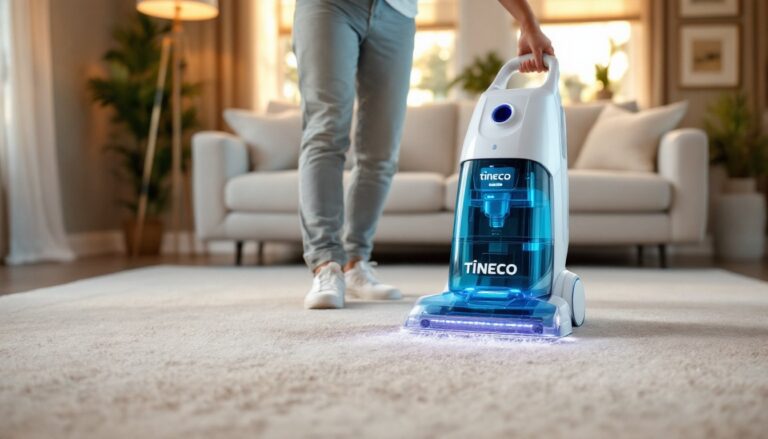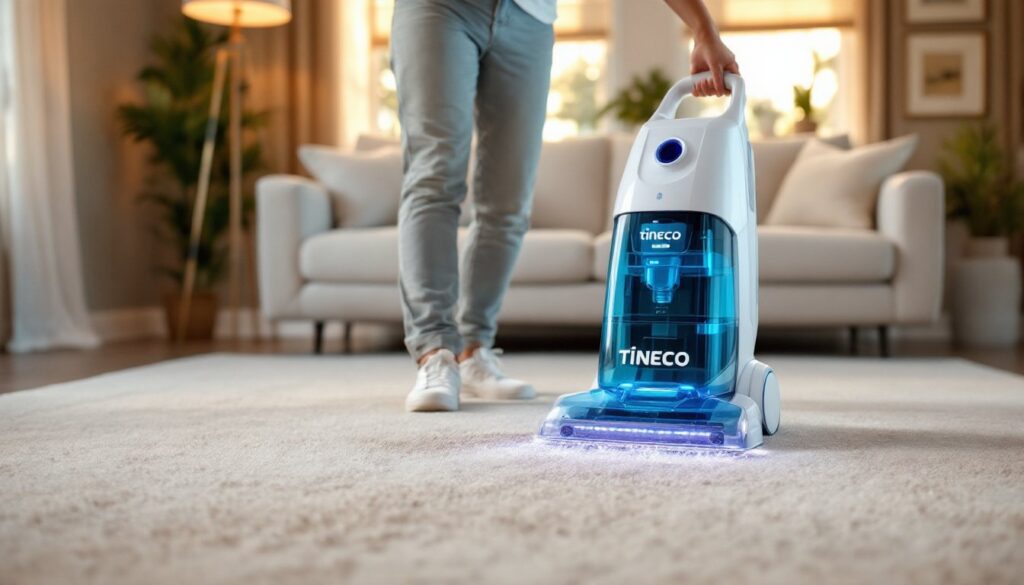
If you’re tired of renting carpet cleaners or paying premium prices for professional carpet cleaning services, a Tineco carpet cleaner might be the game-changer your home needs. Tineco has built a reputation for smart home cleaning appliances, and their carpet cleaning machines bring that same intelligent technology to deep cleaning. Whether you’re dealing with pet stains, high-traffic areas, or simply want to refresh your carpets between professional cleanings, Tineco offers a practical, efficient solution. This guide walks you through what makes these machines tick, how to pick the right model, and how to use one effectively, no contractor experience required.
Table of Contents
ToggleKey Takeaways
- A Tineco carpet cleaner combines smart home technology with powerful extraction, featuring real-time dirt detection, heated water tanks, and dual-tank systems that prevent recontamination better than traditional machines.
- Choosing the right Tineco model depends on your home size, tank capacity, and suction power—cordless models suit smaller spaces (under 2,000 sq. ft.), while corded units with 5+ gallon tanks work better for large homes or pet owners.
- Proper technique matters as much as the machine itself; always vacuum first, pre-treat stains, walk slowly at about 1 foot per second, and use overlapping strokes to maximize cleaning effectiveness with a Tineco carpet cleaner.
- A Tineco investment pays for itself in one year if you regularly need professional cleaning, which typically costs $600–$1,200 annually, making ownership more economical for households with kids, pets, or extensive carpet.
- Regular maintenance—weekly rinsing of tanks and heads, monthly water flushing of internal lines, and quarterly descaling in hard-water areas—protects your Tineco investment and maintains peak cleaning performance long-term.
- Immediate spot-cleaning access is a major non-financial advantage of owning a Tineco, allowing you to treat pet accidents or spills right away and prevent permanent stain damage, something rental machines can’t offer.
What Makes Tineco Carpet Cleaners Stand Out
Key Features and Smart Technology
Tineco carpet cleaners combine traditional carpet cleaning power with smart home technology that sets them apart from generic extraction machines. Most Tineco models include app connectivity, real-time dirt detection, and automatic water temperature adjustment, features that make the job less guesswork and more reliable.
The dirt detection sensor is a key differentiator. Rather than cleaning blind, you can see on your phone’s app exactly how much dirt and debris are being extracted from your carpet. This means you’ll know when a section is truly clean instead of just assuming and moving on. Many models also feature heated water tanks that maintain consistent temperature throughout your session, which improves cleaning effectiveness without you having to monitor it.
Tineco’s dual-tank system keeps clean water separate from dirty wastewater. This prevents recontamination, a common issue with single-tank models where you’re essentially spreading old, dirty water back onto freshly cleaned carpet. The dirty water tank is also easier to empty and rinse than older bucket-style cleaners.
Another practical advantage is the lightweight design and cordless runtime on select models. You’re not dragging a 50-pound machine around your living room or resetting cords every few minutes. That might sound like a small detail, but when you’re cleaning 1,500 square feet of carpeted space, the difference matters for your back and your patience.
One honest note: Tineco’s smart features add cost compared to basic carpet cleaners. If you just want a simple, durable machine without app integration, you’ll find cheaper options. But if you value convenience, moisture sensing, and automated features, the extra investment pays dividends in ease of use.
How to Choose the Right Tineco Model for Your Home
Tineco makes several carpet cleaner models, and picking the right one depends on your space, budget, and cleaning frequency. The main variables are tank size, suction power, and whether you need a cordless (battery-powered) or corded setup.
For small to medium homes (under 2,000 sq. ft.): A compact, cordless Tineco model handles typical household cleaning without the hassle of cords. Battery runtime usually ranges from 30 to 45 minutes per charge, which covers most rooms in a single session. The smaller water tank means more frequent refilling, but the maneuverability trade-off is worth it for many homeowners.
For larger homes or pet owners: A corded Tineco with a larger tank capacity (5+ gallons) gives unlimited runtime and more cleaning capacity. You’ll refill less often and can tackle larger spaces or heavily soiled areas without waiting for a battery recharge.
Check the water tank capacity carefully. Machines with 4-gallon clean-water tanks and 5-gallon dirty-water tanks work well for typical household jobs. Smaller tanks suit apartments or quick spot-cleaning: larger tanks are better if you’re cleaning an entire house in one go.
The suction power rating matters for drying speed. Higher suction (measured in air watts) pulls more moisture from carpet fibers, meaning faster drying time, usually 3 to 6 hours instead of 8+ hours. This is critical if you have kids or pets that can’t stay off damp carpet, or if you live in a humid climate.
Review whether the model includes heated water, smart app connectivity, and brush head type. Some Tineco models offer motorized brushes (better for deep pile or shag carpet), while others use passive bristles (better for low-pile or delicate fibers). According to resources like Good Housekeeping’s product reviews, matching the right brush type to your carpet pile prevents damage and improves results.
Getting Started: Setup and First Use
Out of the box, a Tineco carpet cleaner needs a few minutes of assembly before you can start cleaning. The setup is straightforward but don’t skip these steps.
Assembly checklist:
- Attach the dirty-water tank to the main body (it usually clicks or screws in place)
- Fill the clean-water tank with hot tap water (not boiling, hot tap is fine)
- Snap the brush head or extraction head onto the base
- If your model has smart features, download the Tineco app and pair the device via Bluetooth
First-use tips: Before tackling your entire house, do a test run on a low-traffic area or closet. This lets you get comfortable with the machine’s weight, suction trigger, and walking speed. You’ll also see how fast the dirty-water tank fills, critical info for planning your cleaning session.
Read the manual about your specific carpet type. Most Tineco machines handle standard residential carpet (loop pile, Saxony) without issue, but some delicate natural-fiber rugs or antique carpets may need professional cleaning instead. Check the manufacturer’s guidance: if your carpet is delicate or expensive, a carpet manufacturer’s recommendation trumps any DIY approach.
Make sure your home’s water pressure is adequate. Tineco cleaners work best with standard household water pressure (40–80 PSI). If you have unusually low pressure, suction power may suffer. This is rare, but worth a quick check if your tap water flows slowly throughout your home.
Step-by-Step Cleaning Guide for Best Results
Proper technique is half the battle. A Tineco machine is powerful, but technique and prep work determine real cleaning quality.
Before you start:
-
Vacuum thoroughly. Remove loose dirt, dust, and pet hair with a standard upright or handheld vacuum. Carpet cleaners aren’t vacuum replacements, they extract moisture and embedded dirt, not surface debris. Skipping this step clogs the machine and reduces cleaning power.
-
Pre-treat stains. Spray heavy stains (pet accidents, wine, grease) with a carpet stain pre-treat product 10–15 minutes before cleaning. Let it dwell: this breaks down the stain molecule and makes extraction much more effective.
-
Check for obstacles. Move lightweight furniture, toys, and cords. You don’t want to trip over a power cord or spend 20 minutes navigating around a coffee table.
Cleaning steps:
-
Fill the clean-water tank with hot water and add cleaning solution according to the machine’s guidelines (usually a small cap, not a full cup).
-
Start in the farthest corner of the room and work backward toward the exit. This prevents you from walking over cleaned areas.
-
Walk slowly, about 1 foot per second. Fast passes don’t give the solution time to work and leave carpet damp. Slow, deliberate passes extract more dirt and moisture.
-
Use overlapping strokes. Each pass should overlap the previous one by about 3 inches to ensure even coverage and catch any missed spots.
-
Check the app (if your model has it) to monitor dirt detection. Some Tineco machines will notify you when an area is clean: this removes guesswork. If the app shows continuing dirt, make an extra pass.
-
Empty the dirty-water tank frequently. A full tank reduces suction and makes the machine work harder. Dump and rinse every 2,000–3,000 square feet.
After cleaning:
Rinse the extraction head and tanks immediately. Dried cleaning solution and sediment reduce suction and create odors. A quick rinse takes 2 minutes and extends your machine’s lifespan significantly. Leave tanks separated to air-dry.
Maintenance Tips to Keep Your Machine Running Smoothly
A Tineco carpet cleaner is an investment, and basic maintenance protects that investment and keeps performance high.
Weekly maintenance:
- Empty and rinse both tanks after every use. Don’t let wastewater sit in the dirty tank: it breeds mold and odors.
- Rinse the brush head or extraction head under running water to remove hair, debris, and solution residue.
- Check the inlet and outlet ports (where water enters and exits the machine) for clogs. A straightened paper clip or small brush clears minor blockages.
Monthly maintenance:
- Run clean water only through the machine to flush the internal lines. Fill the clean-water tank with water (no cleaning solution), run it over an old towel or in a bathtub, and cycle through until the output is clear. According to The Spruce’s home care guides, this preventive step avoids mineral buildup from tap water.
- Inspect hoses for cracks or kinks. A small crack becomes a large leak: replace hoses if you spot damage.
- If your model has a filter, check it for debris and rinse if necessary.
Quarterly maintenance:
- Descale the machine if you live in a hard-water area. A descaling solution (usually available from Tineco or any appliance supplier) dissolves mineral deposits that reduce efficiency. Follow the machine’s instructions for running the descaling cycle.
- Inspect electrical connectors (especially on cordless models) for corrosion. Wipe clean with a dry cloth if needed.
Storage:
Store your Tineco in a cool, dry place, not a damp basement or garage. Excess moisture promotes mold growth on internal components. Empty tanks completely before long-term storage.
Is a Tineco Carpet Cleaner Worth the Investment?
Tineco carpet cleaners range from about $400 for basic models to $800+ for advanced units with all the smart features. That’s a real investment, so whether it makes financial sense depends on your situation.
When a Tineco pays for itself: If you have significant carpet footage (3,000+ sq. ft.), kids, pets, or both, professional cleaning adds up. A single professional cleaning costs $300–$600 depending on your region and carpet condition. Two professional cleanings per year = $600–$1,200 annually. A Tineco pays for itself in just one year if you’re doing that level of cleaning in-house instead.
When renting may make more sense: If you clean carpets once a year or less, a carpet cleaner rental ($50–$100 per day) still costs less over five years than owning a machine. Do the math for your actual usage pattern.
Non-financial benefits: Beyond cost savings, owning a machine means you can spot-clean immediately after an accident (critical for pet owners or families with young kids), you don’t have to schedule around a service appointment, and you control the process and cleaning products used. Real Simple’s cleaning tips emphasize that immediate attention to stains prevents permanent damage, and immediate access is a huge advantage.
Be realistic about features: You’re paying extra for smart app connectivity and automated sensors. These are genuinely useful, especially the dirt detection, but they’re not essential. A basic, durable carpet cleaner without smart features works fine if you’re comfortable with manual operation.